On May 20, 2026, the United States Environmental Protection Agency (EPA) announced that it will be granting California $27.5 million to fund efforts to reduce lead in drinking water. The funding is part of a $2.9 billion funding effort to help states and American territories locate and replace lead pipes that can contaminate drinking with toxic lead.
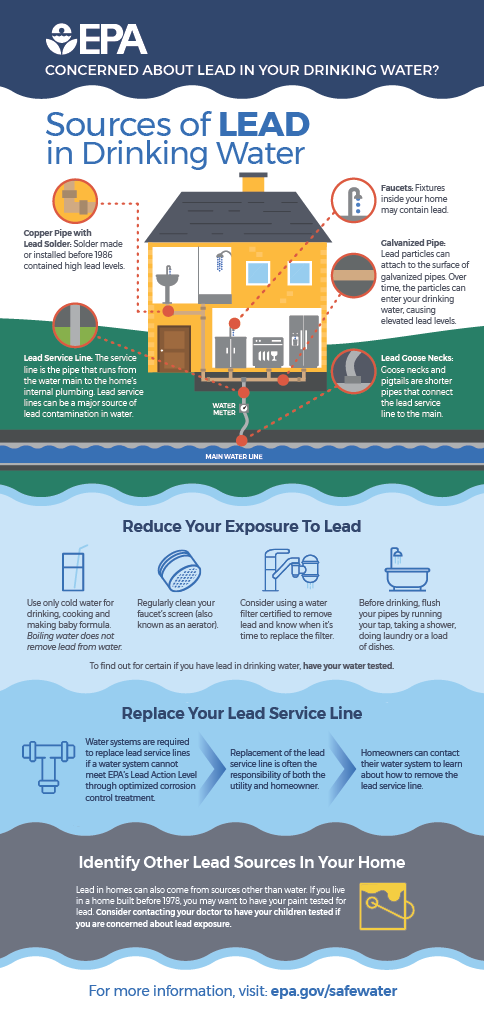
Jess Kramer, EPA's Assistant Administrator for Water, said, "An investment in removing lead pipes is an investment in America's children and families. The Trump EPA is committed to tackling lead exposure and this $2.9 billion will help protect current and future generations across America by accelerating local efforts to find and replace toxic lead pipes.
The size of the grants given to each state and territory may vary widely. For example, California's grant pales in comparison to, say, the state of Illinois, which will be getting almost $296 million. However, the reason for this is that the Safe Drinking Water Act requires EPA to base its funding decisions on the infrastructure needs of each state. Using the best-available data from service line inventories to project the number of lead service lines ensures that EPA can provide funding to the locations that need these funds the most.
For the DWSRF Lead Service Line Replacement funding, EPA used the 7th Drinking Water Infrastructure Needs Survey and Assessment (DWINSA) to estimate lead service-line specific need by incorporating nationwide lead service line inventory data. Please see this fact sheet and webpage for more information:
Fact Sheet - https://www.epa.gov/system/files/documents/2025-11/fact-sheet-2025-7th-dwinsa-update.pdf
DWINSA - https://www.epa.gov/dwsrf/epas-7th-drinking-water-infrastructure-needs-survey-and-assessment


No comments:
Post a Comment