Cookies Notice

This site uses cookies from Google to deliver its services, to personalize ads, and to analyze traffic. Information about your use of this site is shared with Google. By using this site, you agree to its use of cookies.
Showing posts with label #RegionIX. Show all posts

Wednesday, May 27, 2026

EPA grants $15.7 million to address forever chemicals (PFAS) in Southern California water

The U. S. Environmental Protection Agency (EPA) today announced new investments in Southern California to address water contamination by per- and polyfluoroalkyl substances (PFAS). The funding totals $15.7 million and will be split among 7 different projects. This is in addition to EPA's previously announced investment of $77.257 million to address PFAS across California.
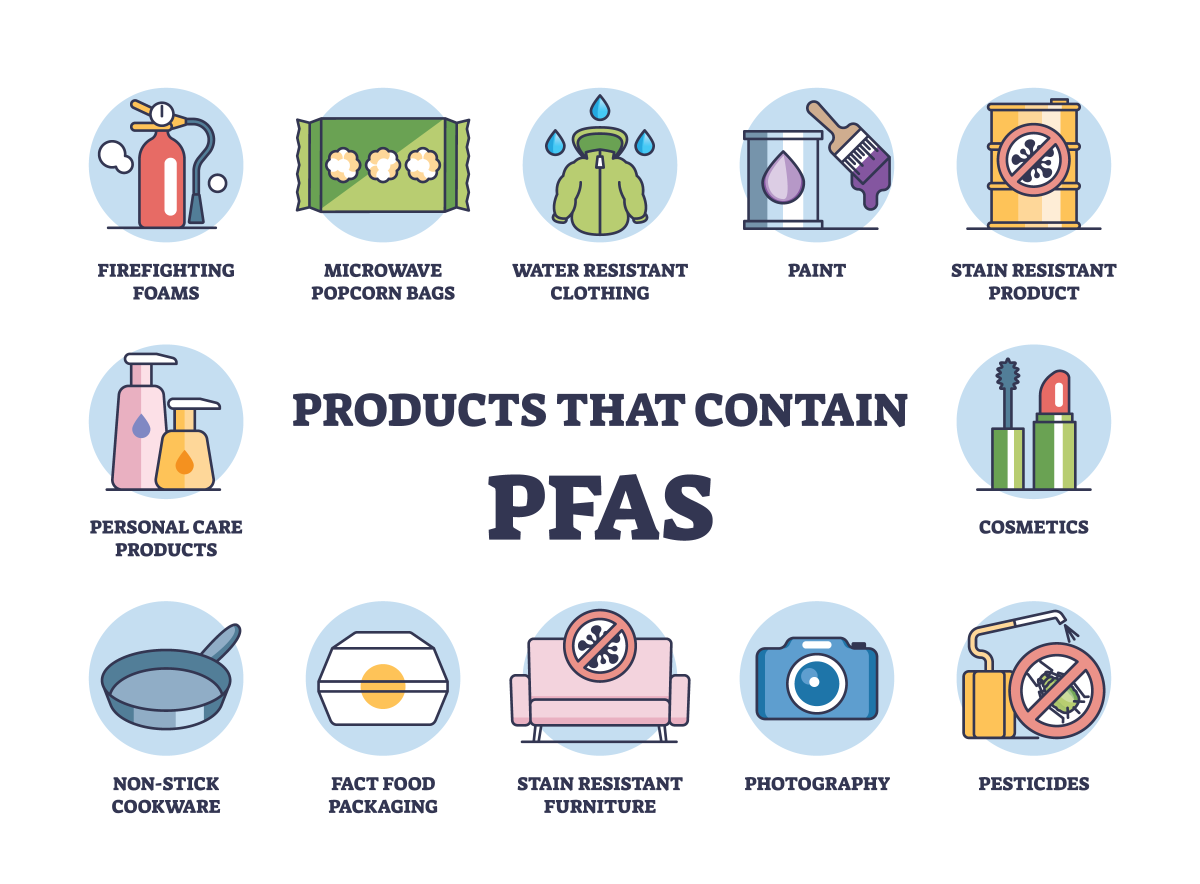
Photo Credit: Kings County.Gov (Fair use)

PFAS are commonly referred to as "forever chemicals" and are found in numerous common items. They have been known to cause cancer and fertility issues. They are sometimes found in stain resistant furniture, carpets, textiles, cosmetics, food packaging, cookware, and many other items. 

As stated by Acting EPA Pacific Southwest Region Administrator Michael Martucci, "EPA is laser focused on ensuring that every American has safe drinking water, and we’re proud to be providing the resources to make good on that commitment here in California. This federal investment will be key to our local partners’ efforts to tackle the threat of PFAS across Southern California."

The Southern California projects receiving federal funding are:

  • $2,500,0000 to La Habra Heights County Water District to construct a PFAS remediation and treatment system at five groundwater wells.
  • $1,750,000 to the Orange County Water District to install an innovative ion exchange treatment system at Santa Ana’s Wells 27 and 28, to ensure treated groundwater can be safely served to residents.
  • $959,752 to the City of Riverside to modify the Palmyrita Water Treatment Plant for PFAS removal and to improve drinking water infrastructure.
  • $2,100,000 to the Santa Clarita Valley Water Agency to construct a new treatment facility to remove PFAS contaminants from groundwater at the existing S7 well.
  • $959,752 to the Santa Margarita Water District to fund a preliminary design report for the new Ranch Water Filtration Plant and support the district’s effort to provide potable reused water.
  • $959,752 to the City of South Gate to treat four wells affected by PFAS contamination that supply more than 50% of the City’s total water demand.
  • $6,452,972 to the Western Municipal Water District to fund rehabbing, repairing, and replacing aging sewer lines to prevent the infiltration of PFAS-contaminated groundwater into March Air Reserve Base’s sewer system.

Thursday, May 21, 2026

EPA Announces $27.5 Million Grant to Reduce Lead in Drinking Water in California

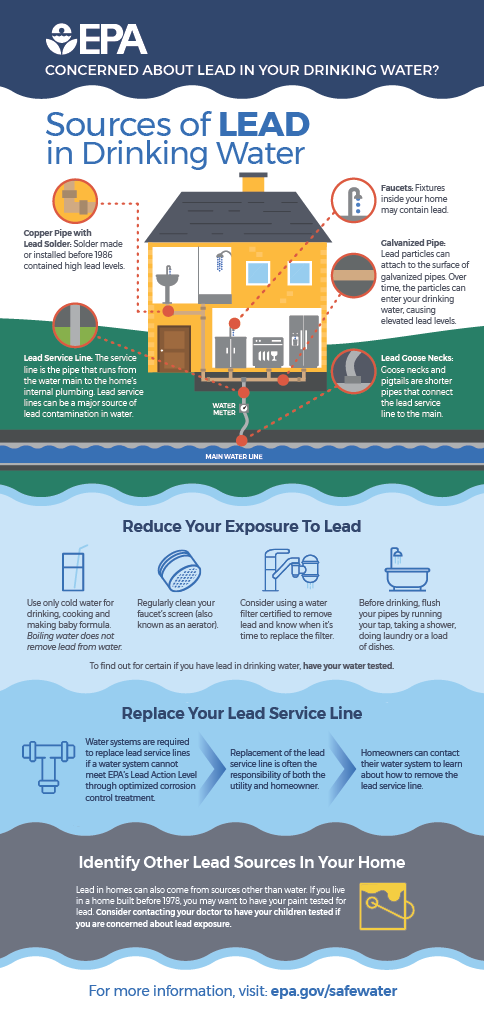
On May 20, 2026, the United States Environmental Protection Agency (EPA) announced that it will be granting California $27.5 million to fund efforts to reduce lead in drinking water. The funding is part of a $2.9 billion funding effort to help states and American territories locate and replace lead pipes that can contaminate drinking with toxic lead.


Photo credit: United States EPA

Jess Kramer, EPA's Assistant Administrator for Water, said, "An investment in removing lead pipes is an investment in America's children and families. The Trump EPA is committed to tackling lead exposure and this $2.9 billion will help protect current and future generations across America by accelerating local efforts to find and replace toxic lead pipes. 

The size of the grants given to each state and territory may vary widely. For example, California's grant pales in comparison to, say, the state of Illinois, which will be getting almost $296 million. However, the reason for this is that the Safe Drinking Water Act requires EPA to base its funding decisions on the infrastructure needs of each state. Using the best-available data from service line inventories to project the number of lead service lines ensures that EPA can provide funding to the locations that need these funds the most.  

For the DWSRF Lead Service Line Replacement funding, EPA used the 7th Drinking Water Infrastructure Needs Survey and Assessment (DWINSA) to estimate lead service-line specific need by incorporating nationwide lead service line inventory data. Please see this fact sheet and webpage for more information:


Fact Sheet -  https://www.epa.gov/system/files/documents/2025-11/fact-sheet-2025-7th-dwinsa-update.pdf  

DWINSA - https://www.epa.gov/dwsrf/epas-7th-drinking-water-infrastructure-needs-survey-and-assessment