Electric vehicles are seen as a key to reducing global CO2 emissions to positively impact adverse climate change effects from fossil fuels. Recent studies have shown that over an assumed vehicle lifetime, electric vehicles do have a smaller, cradle-to-grave overall environmental impact than traditional gasoline fueled vehicles. (Some of the assumptions used for vehicle life expectancy may be questionable - there isn't a lot of history of EVs operating for 100,000+ miles, for example - but, that's a discussion for another story!)
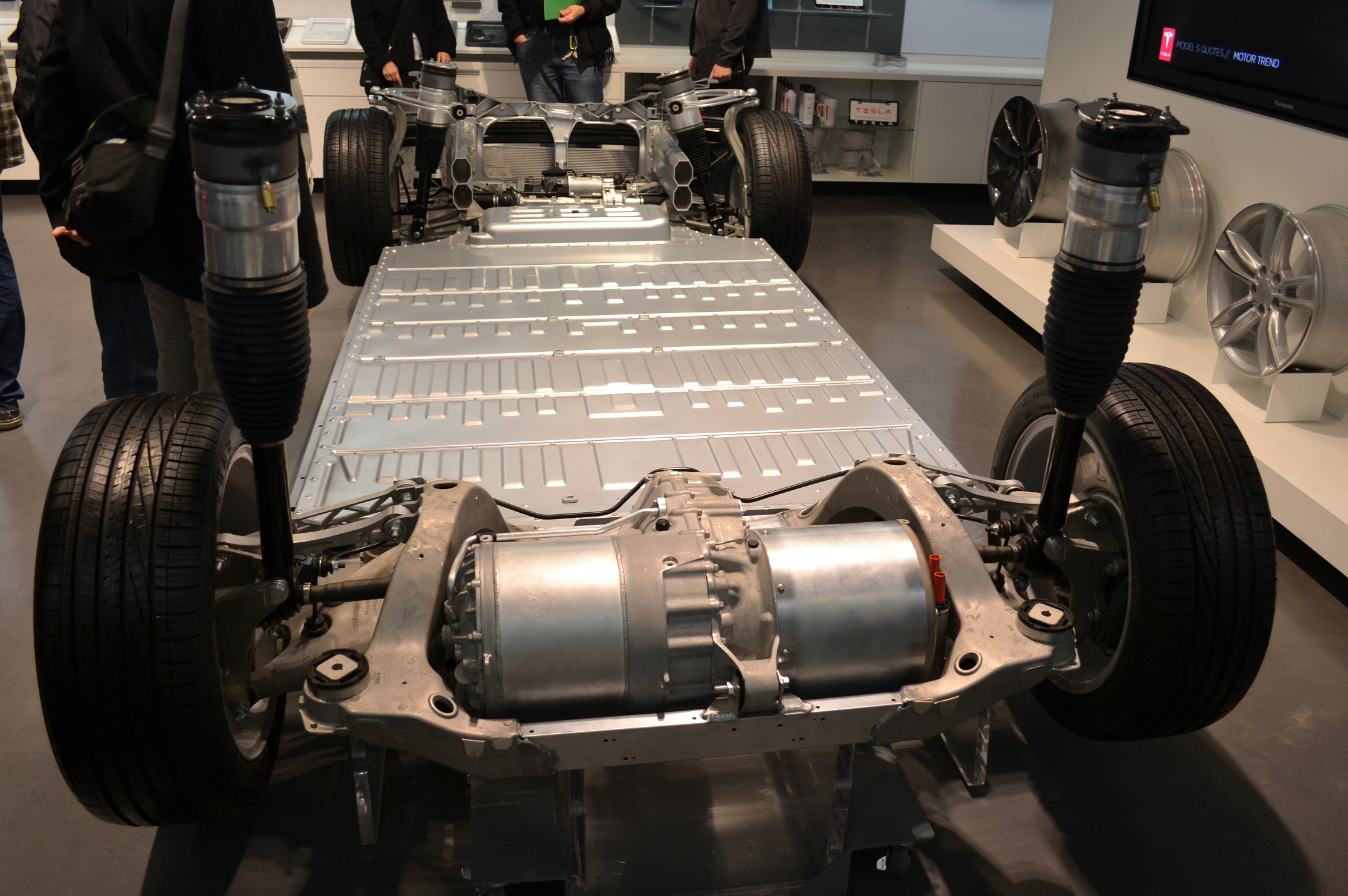
Photo Credit: Oleg Alexandrov, CC BY-SA 3.0 <https://creativecommons.org/licenses/by-sa/3.0>, via Wikimedia Commons; https://commons.wikimedia.org/wiki/File:Tesla_Motors_Model_S_base.JPG
Bank of America financial analysts have just predicted that based on current and future sales predictions, as well as government mandates to reduce and/or possibly ban the sale of new fossil fueled fired vehicles, a worldwide EV battery shortage will occur as soon as 2025.
That's 4 years from now. What happens then? If you're driving a 10 year old EV and need to replace your battery (or buy/lease a new EV), how do you do it? Where will you go?
EVs have notoriously high upfront costs (which studies show are mitigated over an EV's lifetime after factoring in government tax incentives and general maintenance costs), but, there is this little Capitalism principal called the Law of Supply and Demand that is going to come into play here if this happens.
If people are being steered toward buying EVs because new fossil fueled cars are being frowned upon (if not banned), and, if the most important "part" of an EV (the battery!) is in short supply, guess what will happen?
The price of EVs will skyrocket.
Something to think about...your civil comments and thoughts may be made below.

