Cookies Notice

This site uses cookies from Google to deliver its services, to personalize ads, and to analyze traffic. Information about your use of this site is shared with Google. By using this site, you agree to its use of cookies.
Showing posts with label #GHG. Show all posts

Monday, December 1, 2025

CARB postpones GHG Financial Risk report deadline due to court order.

As we noted in an earlier article, certain California businesses were required to submit a Climate-Related Financial Risk Report by January 1, 2026, as required by Senate Bill SB261 and the California Health and Safety Code. 

Photo Credit: AI image generated by Google Gemini, Fair Use

However, this requirement has been postponed until further notice as a result of a successful legal challenge by the California Chamber of Commerce. On November 18, 2025 - the same date as a CARB scheduled public workshop on this and related reports - the Ninth Circuit Court of Appeals granted an injunction against enforcement of this requirement as a result of other appeal proceedings related to it. 

Those proceedings will not be held until January 9, 2026, after the January 1, 2026 deadline.

CARB will provide further information and a new reporting date once the appeal process is completed. Additionally, no enforcement action will be taken for failure to submit the report by the original date.

In the meantime, CARB has stated that they will accept voluntary reports as of today, Dec. 1, 2025


Smog, particulates, greenhouse gases, or hazardous wastes - what are your priorities?

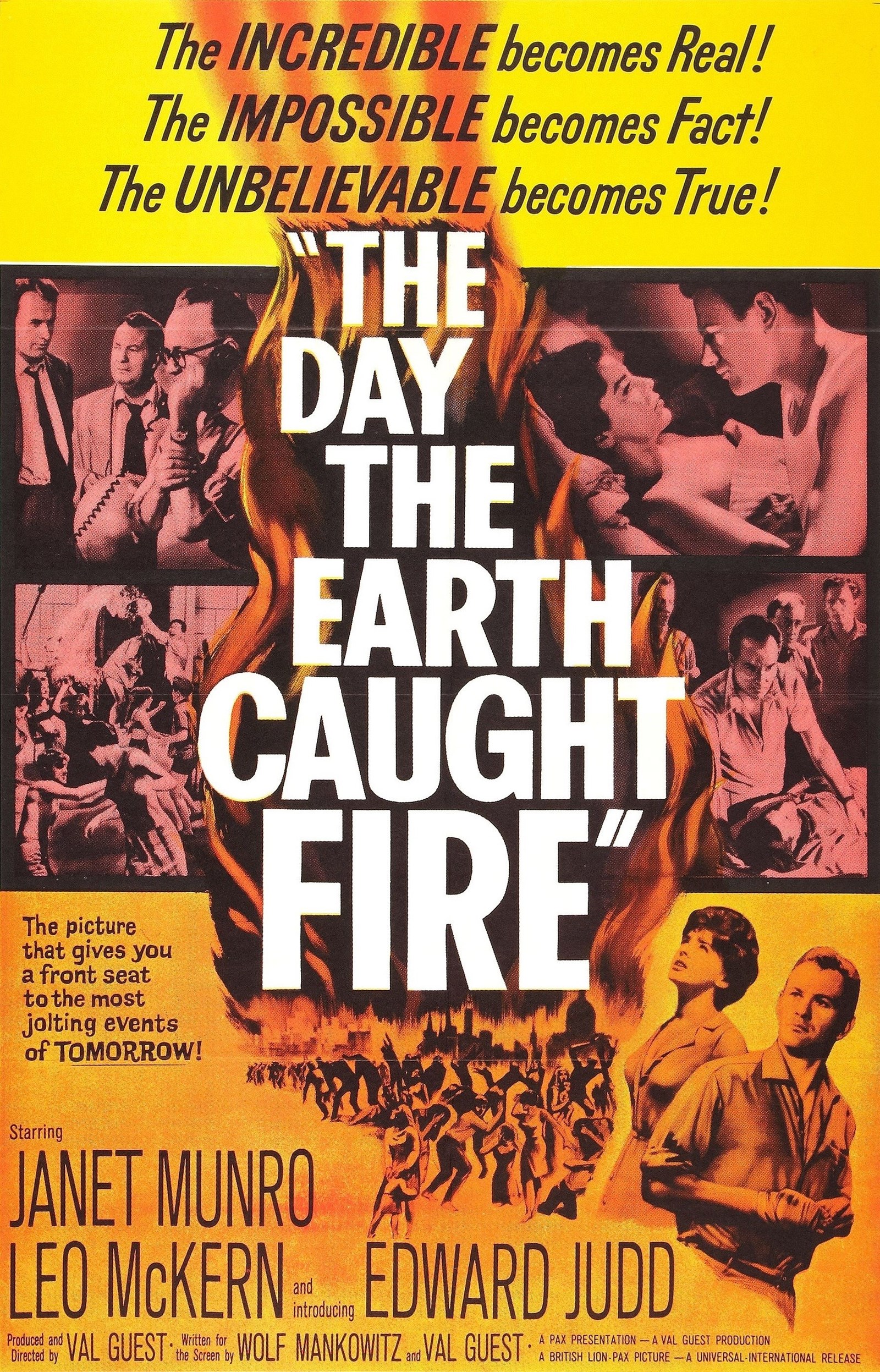
Ok folks - many of us got into the environmental arena/profession because we were tired of seeing black smoke coming out of smokestacks. Others because we were tired of not being able to see the mountains we lived by because the smog was so thick. Some people were concerned about oil spills and hazardous wastes being dumped where they shouldn't be. Some of us are old enough to remember the Cuyahoga River catching fire in Ohio! And still others woke up when all of the alarm bells about global warming started ringing.

Photo credit: ©Frank J. Maccioli


How about you? What got you interested in the environment? Let us know by answering the questions below:

1. What first got you interested in the environmental field?

2. Is your focus of concern on one area over another or all of the above?

3. If it came down to economics, how would you prioritize spending? For example, would you favor a higher priority on reducing the pollutants that cause smog (which may only impact certain geographical areas) or focusing on controlling greenhouse gases because that's a world-wide problem? 

4. Do you have any other thoughts?

Please comment below. We are VERY interested in how you feel about this!


Monday, November 17, 2025

New California Corporate GHG and Financial Risk Reporting Workshop

The California Air Resources Board (CARB) will be holding a virtual public workshop on California's new Greenhouse Gas and Financial Risk reporting programs on Tuesday, November 18, 2025, at 9:30 AM - 12:30 PM PST.


Photo credit: CARB

CARB will be providing updates on rule development for the new programs, which were authorized by state legislation in 2023 and 2024.

In short, certain companies that do business in California will be required to report their Scope 1, 2, and 3 greenhouse gas (GHG) emissions for the prior fiscal year. Additionally, companies will be required to publish biennial climate-related financial risk reports.

The GHG reports apply to companies with total annual revenues in excess of one billion dollars ($1,000,000,000). The financial risk reporting will apply to companies with annual revenues of at least $500 million.

Scope 1 and 2 reports are due on an as yet unspecified date in 2026. The first financial risk reports are due on January 1. 2026. The due date for Scope 3 emissions has not yet been specified.

The definitions of Scope 1, 2, and 3 emissions are:

Stationary Combustion (Scope 1): Emissions from combustion of fuels in stationary sources for generation of electricity, heat, or steam, e.g., boilders, furnaces, turbines.

Mobile Combustion (Scope 1): Emissions from the combustion of fuels in company owned/controleed mobile combustion sources, e.g., trucks, ships, airplanes, and cars.

Process Emissions (Scope 1): Emissions from manufacture or processing of chemicals and materials, e.g., cement, aluminum, and waste processing.

Fugitive Emissions (Scope 1): Emissions from intentional or unintentional releases, e.g., equipment leaks from joints, seals, or packing; methane emissions from coal mines and venting.

Location-based Method (Scope 2): This method reflects the average emissions intensity of grids on which energy consumption occurs (using grid-average emission factor data).

Market-based Method (Scope 2): This method reflects emissions from electricity that companies have purposefully chosen (using emission factor derived from contractual instruments).

Business related emissions from non-company sources (Scope 3): These include all business related emissions that are not Scope 1 or 2. These are emissions from related business organizations that are not directly owned or controlled by the reporting company. They include supply chain, transportation, product usage, business travel, purchased goods, waste generated, and the use of sold products. Sometimes referred to as value chain emissions, they are very difficult to calculate and, perhaps even moreso, to reduce.

Anyone in the public may participate in this virtual workshop by registering at this link: CARB Workshop Registration


Thursday, October 16, 2025

No, reducing GHG emissions from asthma inhalers is not going to solve global warming

Sometimes, in an effort to attract viewers/hits/attention/whatever, professional journalists write headlines that make little problems seem big and ignore the bigger problems. 

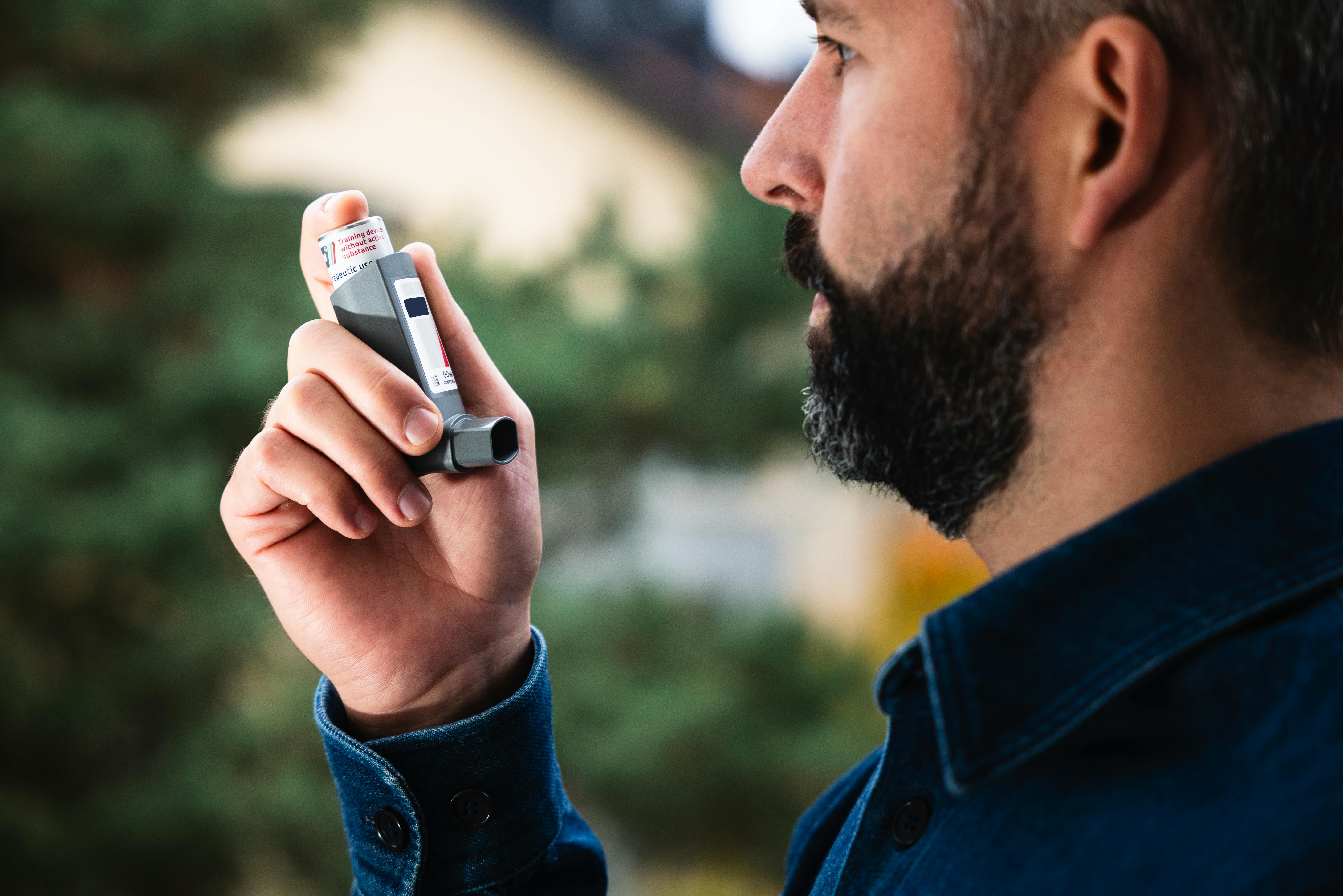
Recently, CBS published a story online about GHG emissions from inhalers that people use to treat asthma and other respiratory problems. Referencing an article from the Journal of the American Medical Association (JAMA), CBS' headline was, "Inhalers produce as much carbon emissions as over 500,000 cars per year, study finds"


Photo Credit: Cnordic Nordic

Wow! That's a lot! That's concerning!! Someone should do something about that!!! We should take away all of those inhalers from those sick people who are using them and give them something else to use so that we can save the environment!!!!!

Oh geez! Please stop!

This always comes up every couple of years and diverts attention away from controlling/reducing the major sources of CO2 equivalent by focusing on what, in reality, are trivial emissions on a worldwide scale.

According to the CBS/Jama report, inhalers in the USA produced about 24.9 MILLION metric tonnes of CO2e TOTAL over 10 years. That's an average of 2.49 million tonnes per year. 

HOWEVER, total CO2e emissions in the USA are around 4.8 BILLION metric tonnes per ONE year! (Ref: Statista )

If these numbers are correct, that means inhalers contribute only 0.05% of total CO2e emissions. In other words, less than 1 tenth of a percent comes from inhalers and they're worried about them and not all of the major sources of greenhouse gases (GHG)? 

Are you kidding me?

You could eliminate all of the inhalers in the world and it wouldn't make a dent in reducing global warming! 

It's nonsense like this that prevents progress from being made to reduce emissions from significant sources of GHG. 

Wednesday, September 17, 2025

NAS report rips to shreds Trump's EPA's claims that existing greenhouse gas regulations should be rescinded.

President Trump and his EPA appointees have proposed rescinding a 2009 regulation in which EPA had previously determined that greenhouse gas emissions were harmful and needed to be regulated more stringently. The Trump administration claims that the data was inaccurate and wrong based upon evidence since then that they claim shows otherwise.                             

                                Photo attribution: NASA

HOWEVER, today the National Academies of Sciences, Engineering, and Medicine (NAS) released a new study which reviewed that past determination and the scientific information since 2009 and concluded that not only was EPA correct in 2009, but also, the most recent peer reviewed data shows things are getting worse. (Please note that this NAS study itself was peer reviewed.)

The new report "... says the evidence for current and future harm to human health and welfare created by human-caused greenhouse gases is beyond scientific dispute."

The report says "EPA’s 2009 finding was accurate, has stood the test of time, and is now reinforced by even stronger evidence. Much of the understanding of climate change that was uncertain or tentative in 2009 has now been resolved by scientific research."
 
“This study was undertaken with the ultimate aim of informing the EPA, following its call for public comments, as it considers the status of the endangerment finding,” said Shirley Tilghman, professor of molecular biology and public affairs, emeritus, and former president, Princeton University, and chair of the committee that wrote the report. “We are hopeful that the evidence summarized here shows the strong base of scientific evidence available to inform sound decision-making.”

In short, NAS basically ripped to shreds Trump's EPA's claims that the regulation should be rescinded.


Friday, March 28, 2025

How will the Trump administration impact California's Environmental Regulations?

There's a new (well, an old actually) Sheriff in town. Love him or hate him, Donald Trump has never been a President that favors stringent environmental controls on business and industry.


President Donald Trump, Official Portrait  Ref: https://upload.wikimedia.org/wikipedia/commons/f/fe/Donald_Trump_portrait_official_2025.jpg

On the opposite end of the environmental spectrum lies California, led by Governor Gavin Newsome, who clearly has a different view of these things than the current President of the United States.

Rather than write a detailed analysis of what we at California Environmental News /Environalysis think might happen, we pose the question to you, our readers:

What do you think Trump will try to do, what do you think he will succeed at doing, and what do you think he will never succeed at doing?

Please leave your comments below.


Saturday, December 17, 2022

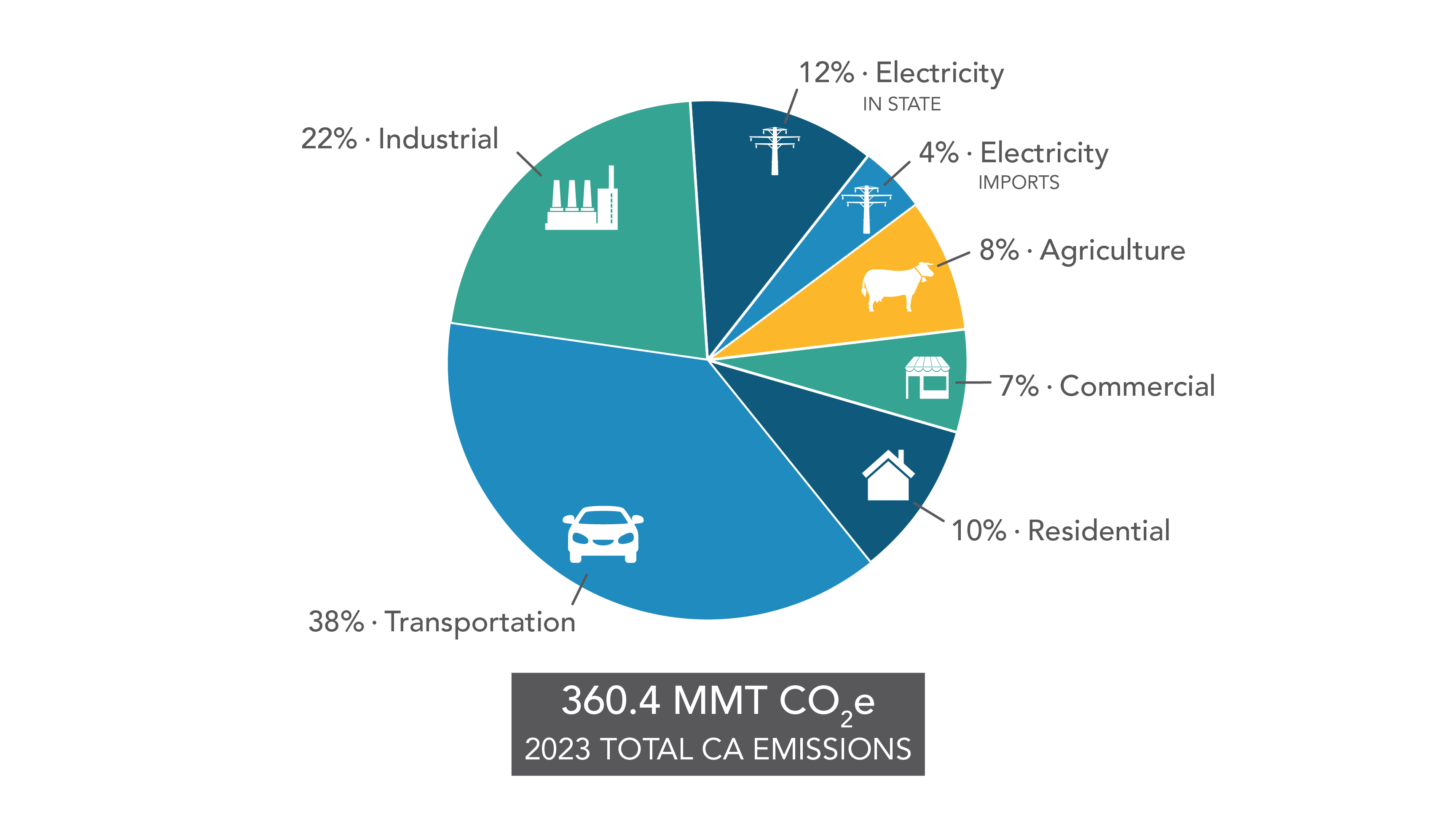
CARB Approves Unprecedented Climate Action Plan

The California Air Resources Board (CARB) just approved the unprecedented climate action plan that was described here in a previous article.

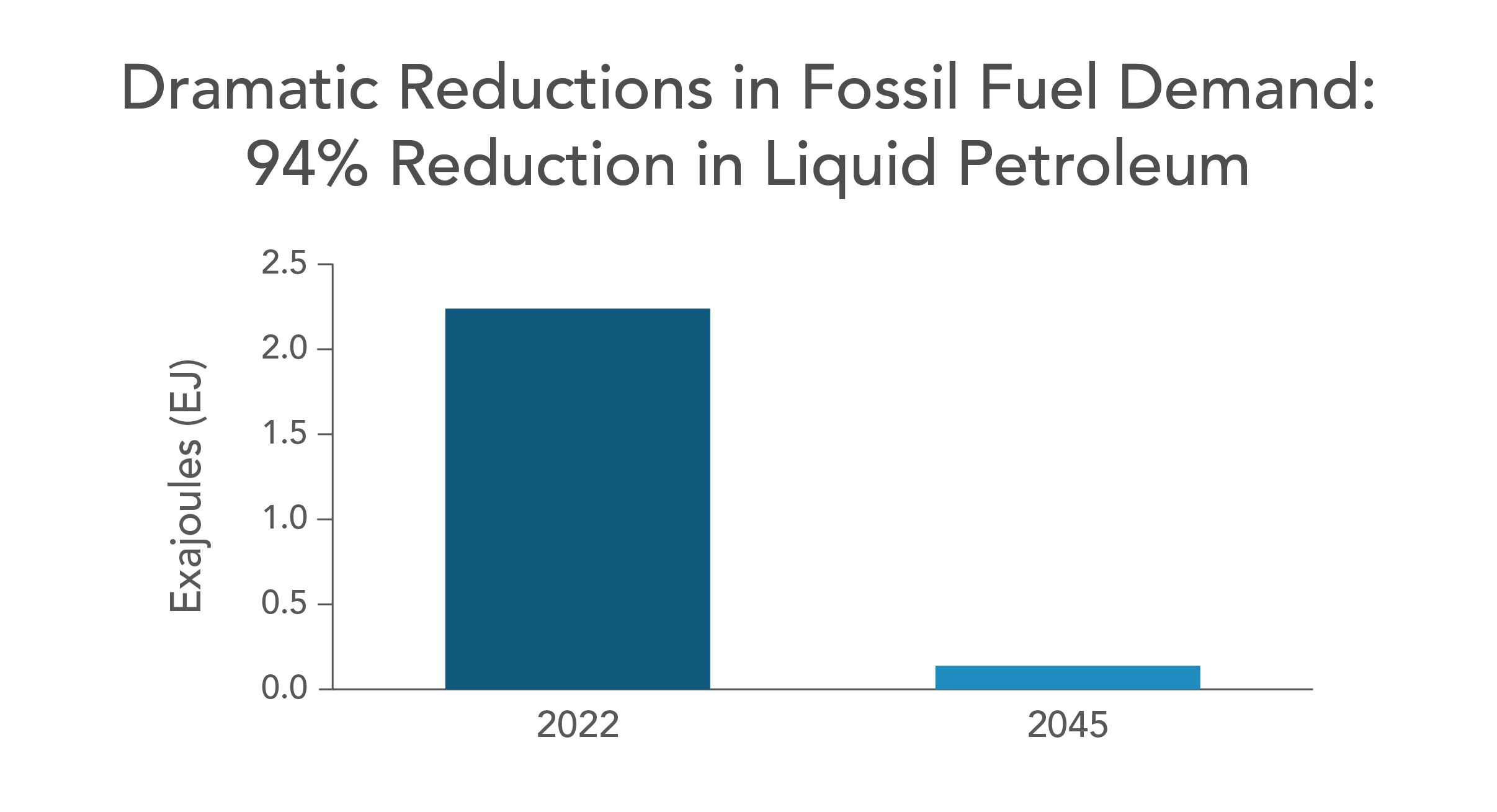
The next steps will require the adoption of specific rules and regulations to implement the plan, which aims to reduce fossil fuel emissions in the state to negligible levels by 2045.


Photo Credit: California Air Resources Board

So, what do you think? As I asked before, will it be successful or just a pipe dream? Ref: CARB approves unprecedented climate action plan to shift world’s 4th largest economy from fossil fuels to clean and renewable energy

More info at: Frank's Environment Space

Wednesday, July 28, 2021

By ignoring wildfire emissions, is CARB painting too rosy a picture about statewide GHG reductions?

The California Air Resources Board (CARB) just released its greenhouse gas (GHG) inventory data report for 2019. CARB said the data shows that GHG reductions in the state are being reduced significantly more than the reductions that have been targeted by law.

However, buried within the press release and the report is information on another source of GHG whose numbers are not included in the inventory of reductions that CARB is praising.

Wildfire emissions.

Photo Credit: California Air Resources Board

CARB's latest data shows that GHG emissions statewide, exclusive of wildfires, went from 425 million metric tonnes in 2018 to 418 million metric tonnes in 2019. 

However, what CARB doesn't report is the increase in wildfire GHG emissions. Although wildfire CO2 emissions declined from 2018 to 2019 from 39.1 to 4.8 million metric tonnes CO2, in 2020 they increased to 106.7 million metric tonnes. And that latter number may be approached in 2021 as well considering the number of wildfires that have happened and are happening at this very moment throughout the state - and the normal wildfire season hasn't even officially started yet.

CA Wildfire Emissions, by Year - CARB

CARB and others have tried to dismiss concerns over wildfire CO2 emissions by referring to them as part of the natural carbon cycle. But the fact remains -  CO2 is CO2. The world and the physical climate change processes that result in the increasing temperatures of global warming do not care from where the CO2 comes. 

One can brag all one wants about reducing GHG emissions from transportation and industrial sources, but, the ship is still going to sink if you only bail out part of the water that is filling your boat.

What do you think? Please leave your comments below.