Cookies Notice

This site uses cookies from Google to deliver its services, to personalize ads, and to analyze traffic. Information about your use of this site is shared with Google. By using this site, you agree to its use of cookies.
Showing posts with label #CARB. Show all posts

Monday, December 1, 2025

CARB postpones GHG Financial Risk report deadline due to court order.

As we noted in an earlier article, certain California businesses were required to submit a Climate-Related Financial Risk Report by January 1, 2026, as required by Senate Bill SB261 and the California Health and Safety Code. 

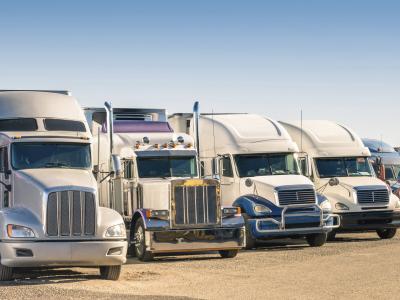
Photo Credit: AI image generated by Google Gemini, Fair Use

However, this requirement has been postponed until further notice as a result of a successful legal challenge by the California Chamber of Commerce. On November 18, 2025 - the same date as a CARB scheduled public workshop on this and related reports - the Ninth Circuit Court of Appeals granted an injunction against enforcement of this requirement as a result of other appeal proceedings related to it. 

Those proceedings will not be held until January 9, 2026, after the January 1, 2026 deadline.

CARB will provide further information and a new reporting date once the appeal process is completed. Additionally, no enforcement action will be taken for failure to submit the report by the original date.

In the meantime, CARB has stated that they will accept voluntary reports as of today, Dec. 1, 2025


Monday, November 17, 2025

New California Corporate GHG and Financial Risk Reporting Workshop

The California Air Resources Board (CARB) will be holding a virtual public workshop on California's new Greenhouse Gas and Financial Risk reporting programs on Tuesday, November 18, 2025, at 9:30 AM - 12:30 PM PST.


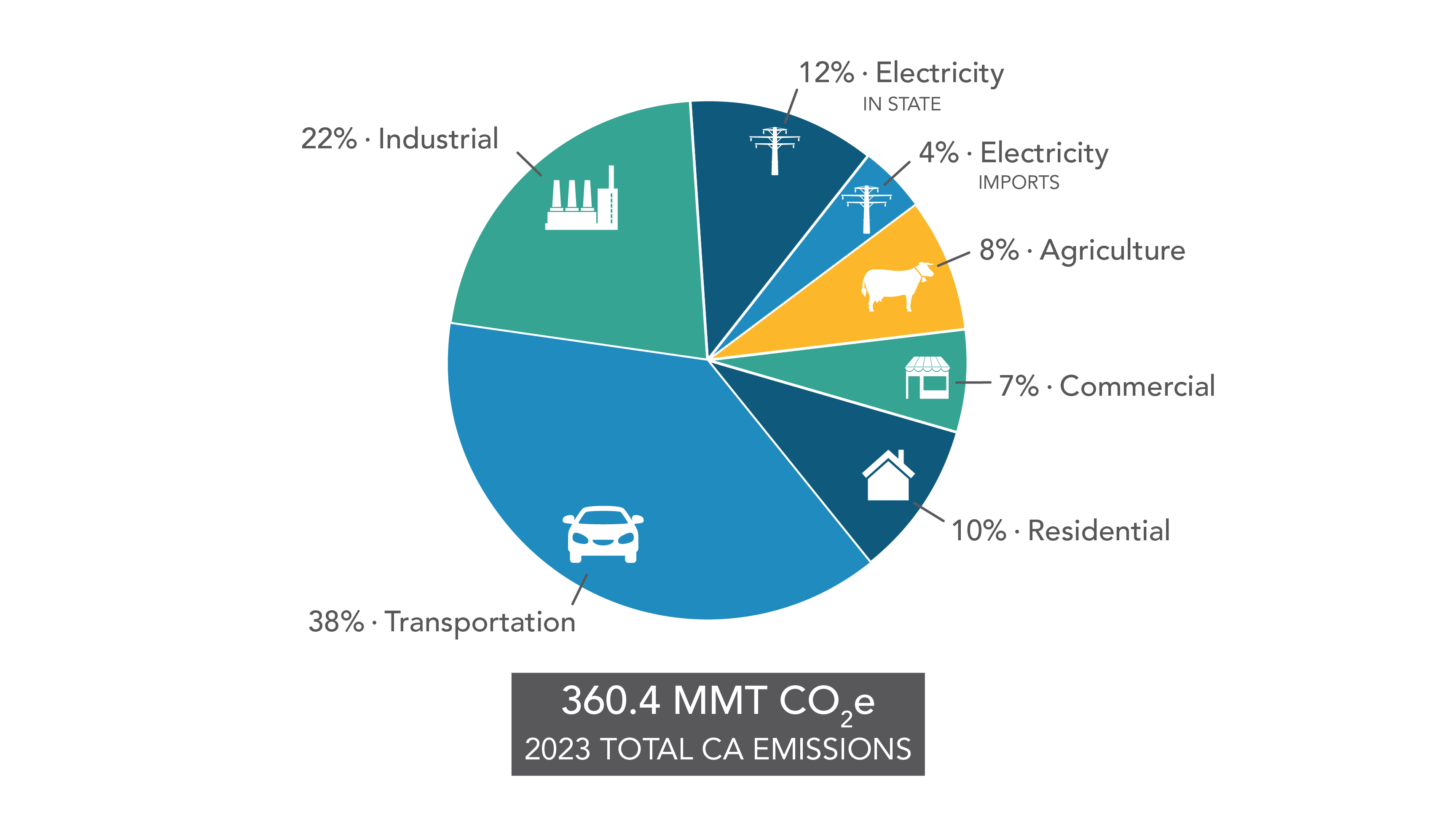
Photo credit: CARB

CARB will be providing updates on rule development for the new programs, which were authorized by state legislation in 2023 and 2024.

In short, certain companies that do business in California will be required to report their Scope 1, 2, and 3 greenhouse gas (GHG) emissions for the prior fiscal year. Additionally, companies will be required to publish biennial climate-related financial risk reports.

The GHG reports apply to companies with total annual revenues in excess of one billion dollars ($1,000,000,000). The financial risk reporting will apply to companies with annual revenues of at least $500 million.

Scope 1 and 2 reports are due on an as yet unspecified date in 2026. The first financial risk reports are due on January 1. 2026. The due date for Scope 3 emissions has not yet been specified.

The definitions of Scope 1, 2, and 3 emissions are:

Stationary Combustion (Scope 1): Emissions from combustion of fuels in stationary sources for generation of electricity, heat, or steam, e.g., boilders, furnaces, turbines.

Mobile Combustion (Scope 1): Emissions from the combustion of fuels in company owned/controleed mobile combustion sources, e.g., trucks, ships, airplanes, and cars.

Process Emissions (Scope 1): Emissions from manufacture or processing of chemicals and materials, e.g., cement, aluminum, and waste processing.

Fugitive Emissions (Scope 1): Emissions from intentional or unintentional releases, e.g., equipment leaks from joints, seals, or packing; methane emissions from coal mines and venting.

Location-based Method (Scope 2): This method reflects the average emissions intensity of grids on which energy consumption occurs (using grid-average emission factor data).

Market-based Method (Scope 2): This method reflects emissions from electricity that companies have purposefully chosen (using emission factor derived from contractual instruments).

Business related emissions from non-company sources (Scope 3): These include all business related emissions that are not Scope 1 or 2. These are emissions from related business organizations that are not directly owned or controlled by the reporting company. They include supply chain, transportation, product usage, business travel, purchased goods, waste generated, and the use of sold products. Sometimes referred to as value chain emissions, they are very difficult to calculate and, perhaps even moreso, to reduce.

Anyone in the public may participate in this virtual workshop by registering at this link: CARB Workshop Registration


Wednesday, November 29, 2023

Historic reductions in San Joaquin Valley Ag emissions noted by air agencies

A proclamation applauding the efforts of San Joaquin Valley farmers in cooperation with the San Joaquin Valley Air Pollution Control District (District), the National Resources Conservation Service (NRCS), the United States Environmental Protection Agency (USEPA), and the California Air Resources Board (CARB) to reduce agricultural air emissions throughout the Valley was issued today by representatives of all four agencies. 


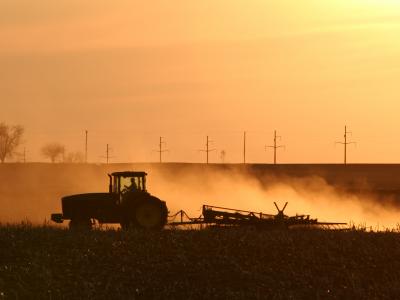
Photo Credit: CARB

Through several different incentive programs, the Valley ag industry turned over and destroyed more than 12,800 pieces of older, high polluting agricultural equipment, including old tractors and other equipment, resulting in the reduction of over 11 tons per day of nitrogen oxide (NOx) emissions. NOx emissions are a key component of photochemical smog formation.

The reductions achieved are the equivalent of removing 1.5 million cars off of California roads.

According to Martha Guzman, USEPA's Regional Administrator for Region 9, “Emissions from agricultural equipment are the largest source of nitrogen oxide in the Valley and will require continued innovation and strategies for reducing air pollution – including via the $10 million grant for a low-dust nut harvester that we are announcing today.”

“The District applauds the leadership of local and state legislators, as well as Valley farmers in recognizing the public health and climate benefits provided throughout California from clean air investments,” stated Samir Sheikh, Executive Director/Air Pollution Control Officer for the Valley Air District. “The San Joaquin Valley agricultural sector feeds the world and coordinated multi-agency efforts like this must continue to support farmers’ ongoing transition to sustainable and air-friendly practices.”


For more information: Valley Agricultural Leads Nation in efforts to Improve Air Quality

Saturday, December 17, 2022

CARB Approves Unprecedented Climate Action Plan

The California Air Resources Board (CARB) just approved the unprecedented climate action plan that was described here in a previous article.

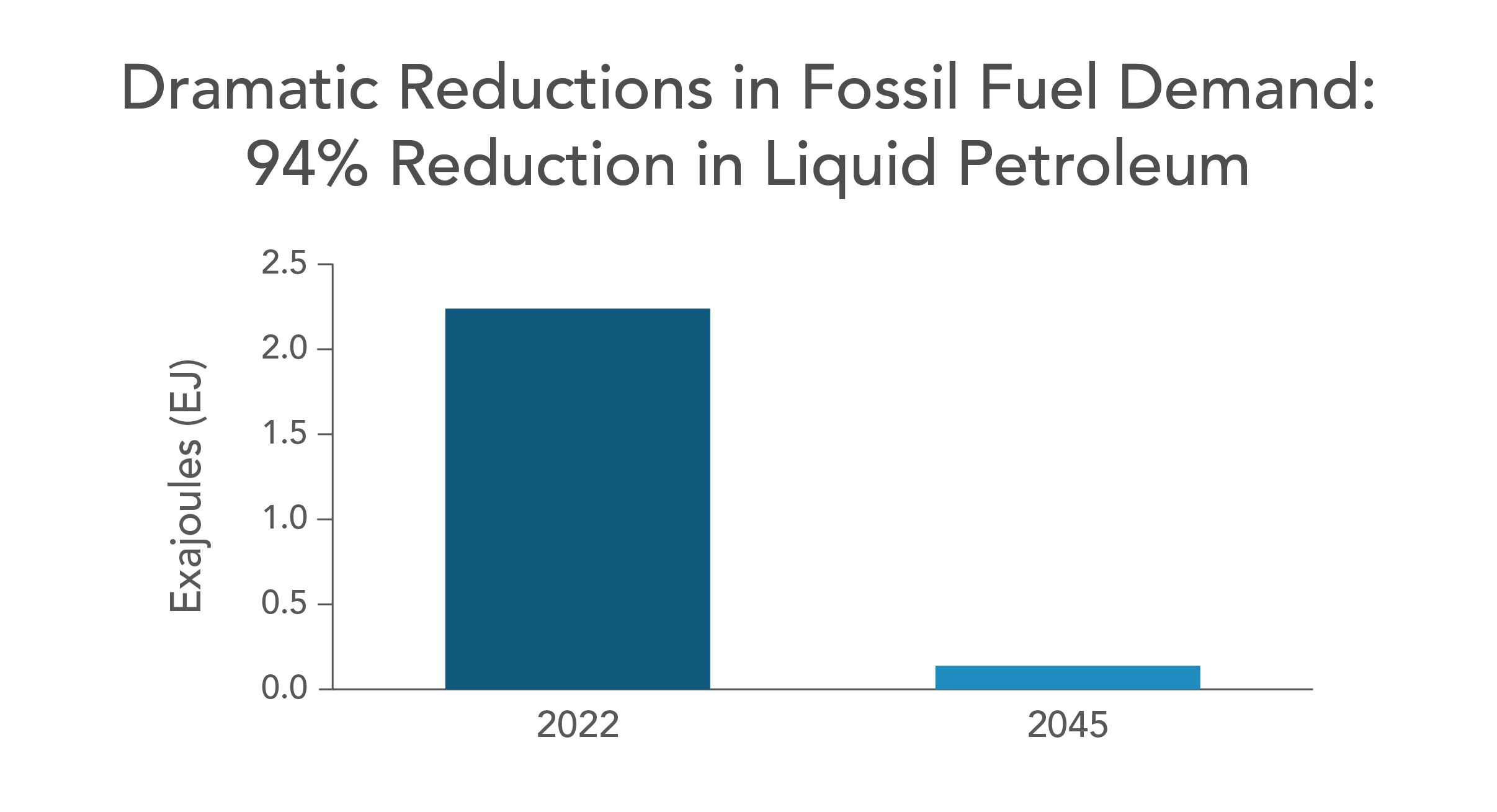
The next steps will require the adoption of specific rules and regulations to implement the plan, which aims to reduce fossil fuel emissions in the state to negligible levels by 2045.


Photo Credit: California Air Resources Board

So, what do you think? As I asked before, will it be successful or just a pipe dream? Ref: CARB approves unprecedented climate action plan to shift world’s 4th largest economy from fossil fuels to clean and renewable energy

More info at: Frank's Environment Space

Wednesday, July 28, 2021

By ignoring wildfire emissions, is CARB painting too rosy a picture about statewide GHG reductions?

The California Air Resources Board (CARB) just released its greenhouse gas (GHG) inventory data report for 2019. CARB said the data shows that GHG reductions in the state are being reduced significantly more than the reductions that have been targeted by law.

However, buried within the press release and the report is information on another source of GHG whose numbers are not included in the inventory of reductions that CARB is praising.

Wildfire emissions.

Photo Credit: California Air Resources Board

CARB's latest data shows that GHG emissions statewide, exclusive of wildfires, went from 425 million metric tonnes in 2018 to 418 million metric tonnes in 2019. 

However, what CARB doesn't report is the increase in wildfire GHG emissions. Although wildfire CO2 emissions declined from 2018 to 2019 from 39.1 to 4.8 million metric tonnes CO2, in 2020 they increased to 106.7 million metric tonnes. And that latter number may be approached in 2021 as well considering the number of wildfires that have happened and are happening at this very moment throughout the state - and the normal wildfire season hasn't even officially started yet.

CA Wildfire Emissions, by Year - CARB

CARB and others have tried to dismiss concerns over wildfire CO2 emissions by referring to them as part of the natural carbon cycle. But the fact remains -  CO2 is CO2. The world and the physical climate change processes that result in the increasing temperatures of global warming do not care from where the CO2 comes. 

One can brag all one wants about reducing GHG emissions from transportation and industrial sources, but, the ship is still going to sink if you only bail out part of the water that is filling your boat.

What do you think? Please leave your comments below.


Tuesday, July 20, 2021

Some recent items of interest

We here at California Environmental News have been so busy posting on social media, that we have forgotten all about our original site here at Blogger!

Below are some links to some recent stories that are of interest:

California Will Start Testing for ECU Tunes During Smog Checks Starting Next Week

Tuners beware! California has emission control rules for a reason and you aren't exempt just because you make your cars cooler than they were when you bought them.


Photo Credit: From Road and Track article via Ford YouTube


CARB settles with Albertsons grocery chain for $5.1 million for violations of the Refrigerant Management Program

$2.55 million to fund installation of school filtration system in L.A. area and to support a community-based project in Placer County

Remember the old Albertson's TV commercials, where the department managers would sing, "It's Joe Albertson's supermarket but the refrigeration department is mine (CARB's)!"


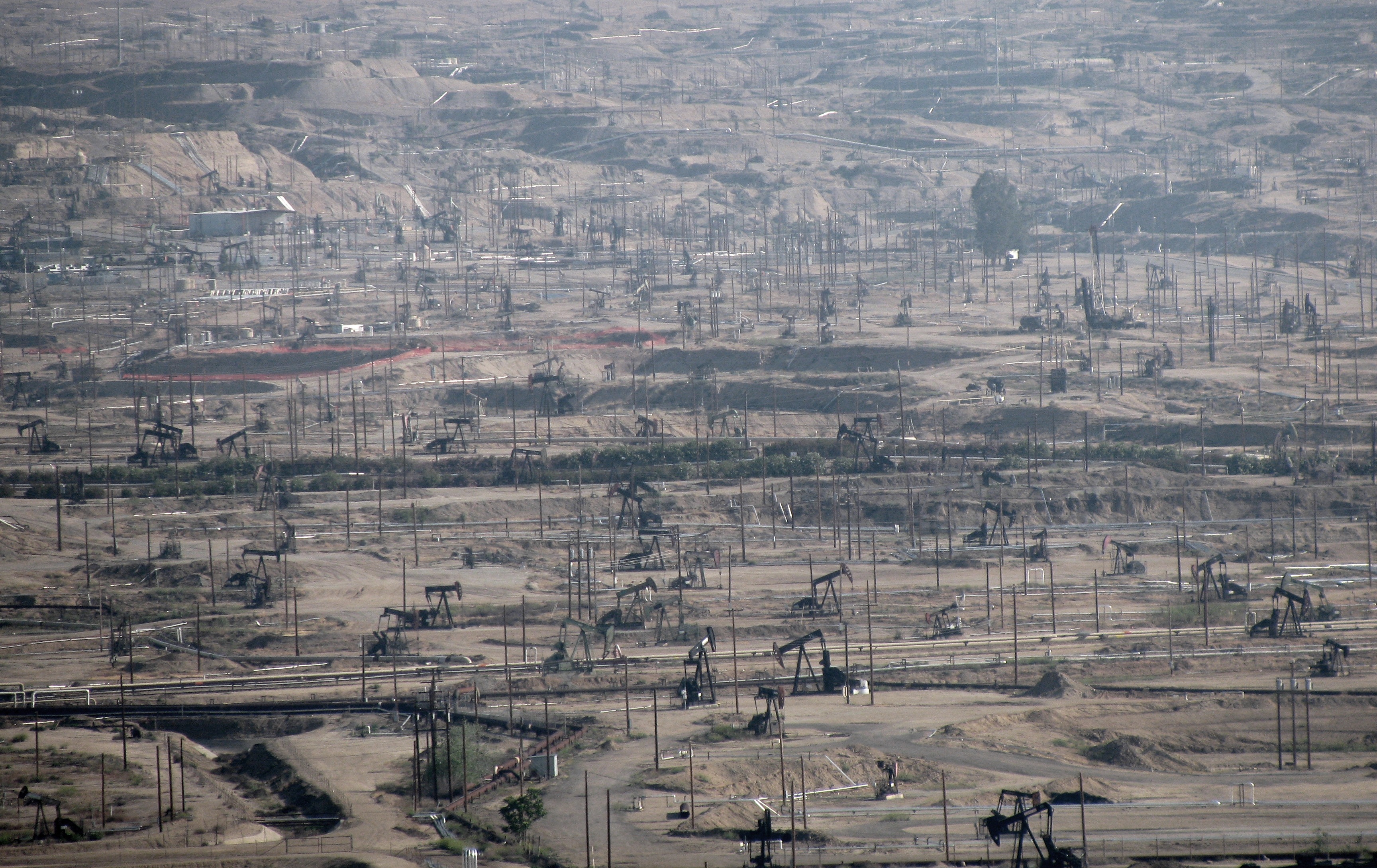
California oil regulators deny new fracking permits

California denied 21 oil drilling permits that would utilize fracking for AERA Energy in two of its oil fields. It is the latest development in the state's move toward banning fracking in the state.


A California Oilfield

Photo credit: Antandrus at English Wikipedia, CC BY-SA 3.0 <https://creativecommons.org/licenses/by-sa/3.0>, via Wikimedia Commons