California is facing a complex and new legal battle over the regulation of CO2 emissions and greenhouse gases. As a result, previous federal approvals for California to have stricter regulations may be disallowed.
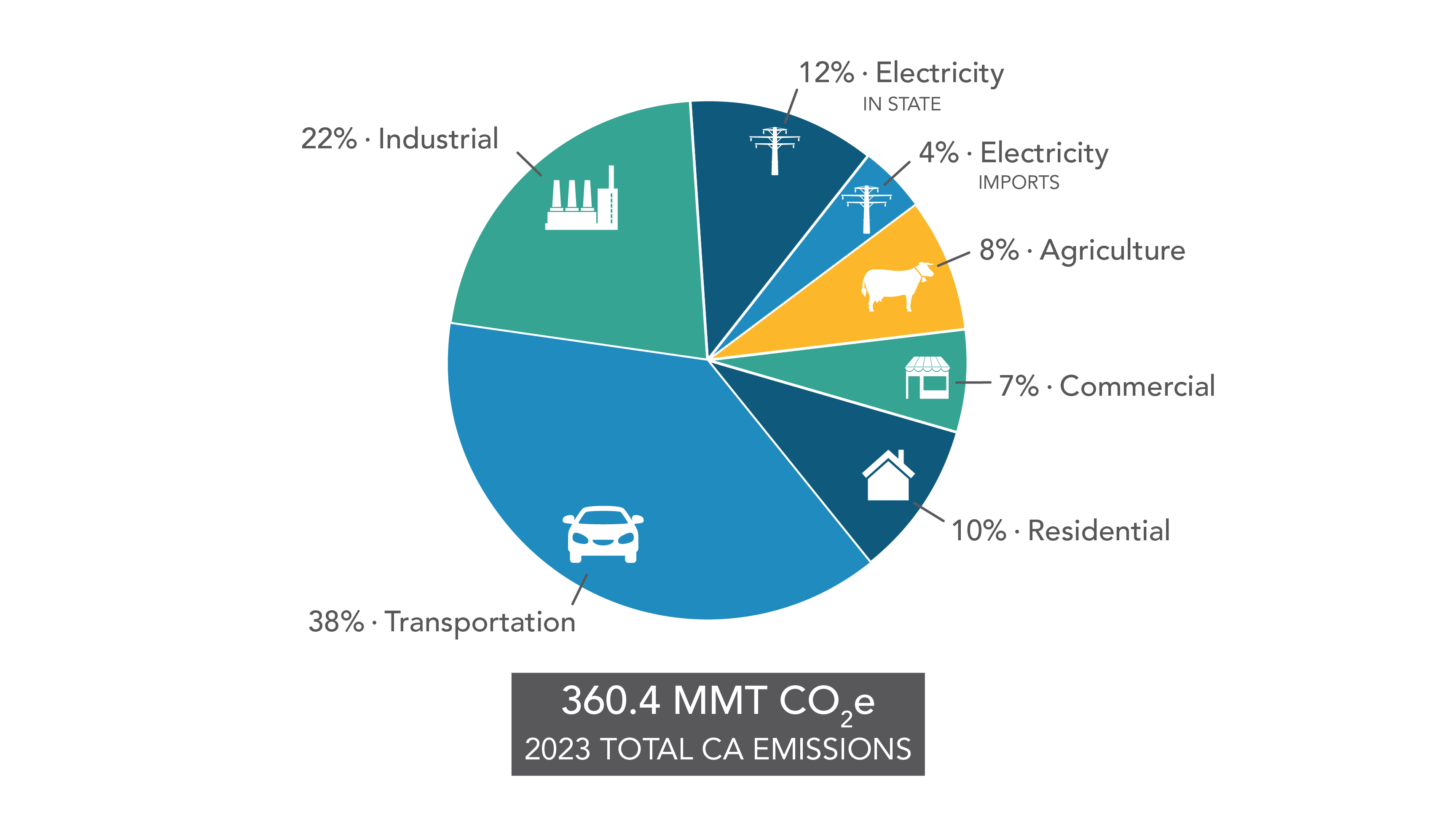
The Trump administration recently rescinded the Endangerment Finding - something that the United States Environmental Protection Agency (EPA) previously made that showed - on a legal and scientific basis - that carbon dioxide (CO2) and other greenhouse gases were a danger to public health. This new move is one of the more significant changes in environmental policy that the United States government has ever made.
So how does this affect California?
1. EPA previously granted federal "waivers" to California to allow it to set air quality standards more stringent than federal ones. By removing the endangerment finding, EPA now can argue that California has no legal need or authority to regulate CO2 to protect its citizens.
2. California's existing laws remain in place, however, their enforceability may no longer exist should EPA's removal of the endangerment finding survive legal challenges. As a result, the requirements in California laws like AB32 (The Global Warming Solutions Act) may not be allowed.
For example. one such requirement that may not be allowed is California's mandate that all new cars sold in the state be zero-emission vehicles by 2035.
3. The endangerment finding repeal also raises questions as to the legal basis for limits on stationary sources such as power plants and other industries. Certain industry groups may now sue, arguing that state rules are now preempted by federal regulations.
4. All of the above moves environmental regulation into the courtroom, for an undetermined amount of time. California is preparing a legal challenge that the endangerment repeal ignores years and years of proven climate science and legal decisions.
5. Businesses will now face years of uncertainty - do they need to follow federal regulations or California regualtions while they wait for what could be years for a final legal determination to be made?
6. California may attempt to reclassify CO2 under state health codes/laws, thereby bypassing federal regulations. Even if California does that, such a move would surely be challenged by the current federal adminstration.
What do you think about this? Please leave your comments, pro or con, below.


No comments:
Post a Comment